What is ADHD?
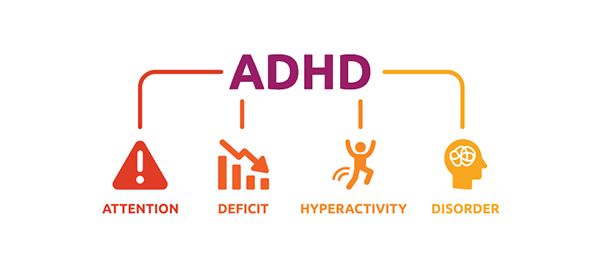
Attention Deficit Hyperactivity Disorder (ADHD), is a neurodevelopmental disorder that affects both children and adults, impacting their ability to regulate attention and manage impulses effectively. It manifests through inattention, hyperactivity, and impulsivity, significantly impacting daily functioning and quality of life.
Symptoms of ADHD tend to be noticed at an early age and may become more noticeable when a child’s circumstances change, such as when they start school.
However, some people don’t get diagnosed with ADHD until they are adults. ADHD involves:
- Having trouble paying attention (inattention)
- Having trouble controlling impulsive behaviours (impulsivity)
- Being overly active (hyperactivity)
What causes attention deficit hyperactivity disorder (ADHD)?
The exact causes of Attention Deficit Hyperactivity Disorder (ADHD) are not fully understood, and it is generally considered a complex and multifactorial condition. However, several factors are believed to contribute to the development of ADHD. Here are some key factors:
- Genetics: There is a strong genetic component to ADHD. Individuals with a family history of the disorder may have a higher risk of developing ADHD themselves.
- Prenatal and Perinatal Factors: Exposures during pregnancy, such as maternal smoking, alcohol or drug use, premature birth, and low birth weight, can contribute to the risk of ADHD.
- Early Childhood Trauma: Traumatic experiences during early childhood may increase the likelihood of developing ADHD symptoms.
- Neurological Factors: Differences in brain structure and function, as well as imbalances in neurotransmitters like dopamine and norepinephrine, play a role in ADHD.
Diagnosis and Evaluation
Accurate diagnosis of ADHD is crucial for effective management. This includes a thorough evaluation of medical history, behavioural observations, and neuropsychological assessments. The goal is to understand the unique presentation of ADHD in each individual and tailor interventions accordingly.
ADHD is a complex and nuanced neurodevelopmental disorder that requires a multifaceted approach to understanding, diagnosis, and management. By unraveling the layers of ADHD, we empower individuals and families to navigate the challenges associated with the condition. Seeking expert care from professionals like Dr. Ishank Goel ensures a path toward improved quality of life and enhanced neurologic well-being for those affected by ADHD.